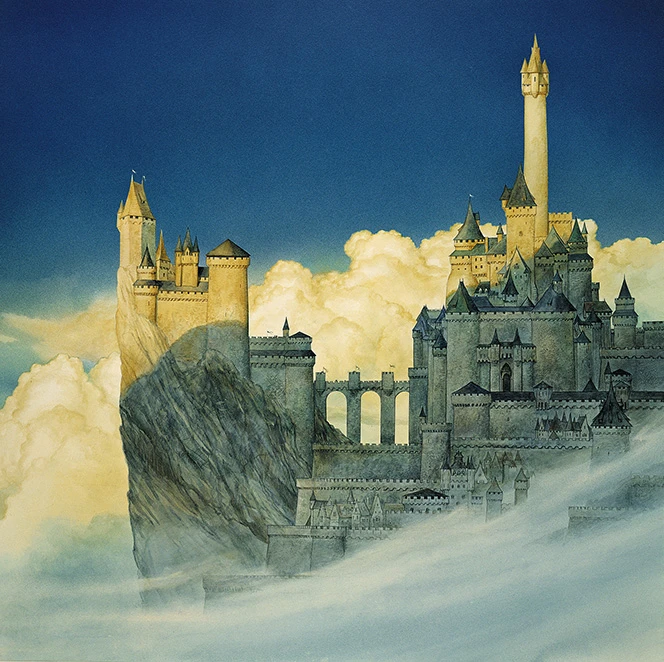
John Howe’s art appeals to all generations, and even offers them a common gateway for exchanges on the themes that fascinate them. He often transmits a literary and poetic heritage – sometimes ancestral – through contemporary vectors acclaimed by the public.
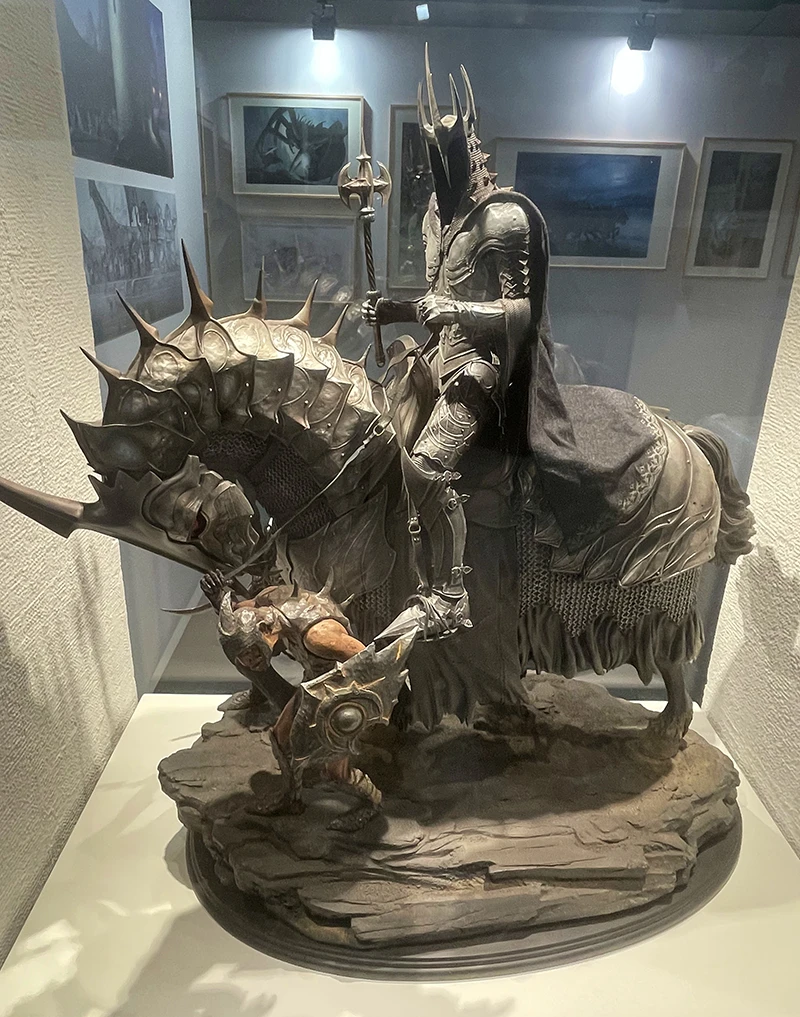
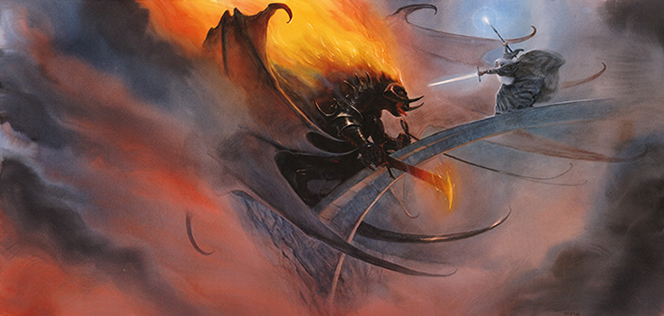
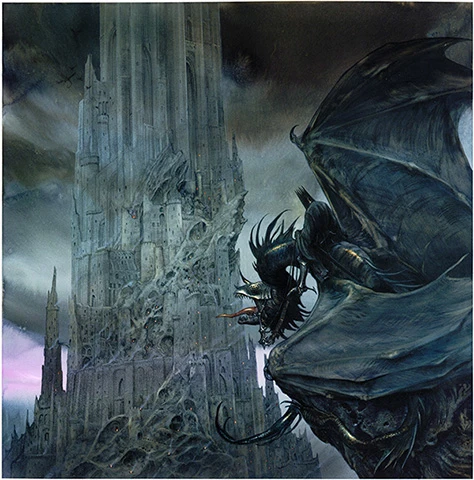
John Howe is one of the world’s most acclaimed artists, notably for his pictorial interpretations of Tolkien’s literary works, presented in illustrated editions, on film by Peter Jackson, on TV platforms, and in board and video games.
John Howe is thus the only artist to have given visual extension to Tolkien’s work through so many vectors, both traditional and contemporary.
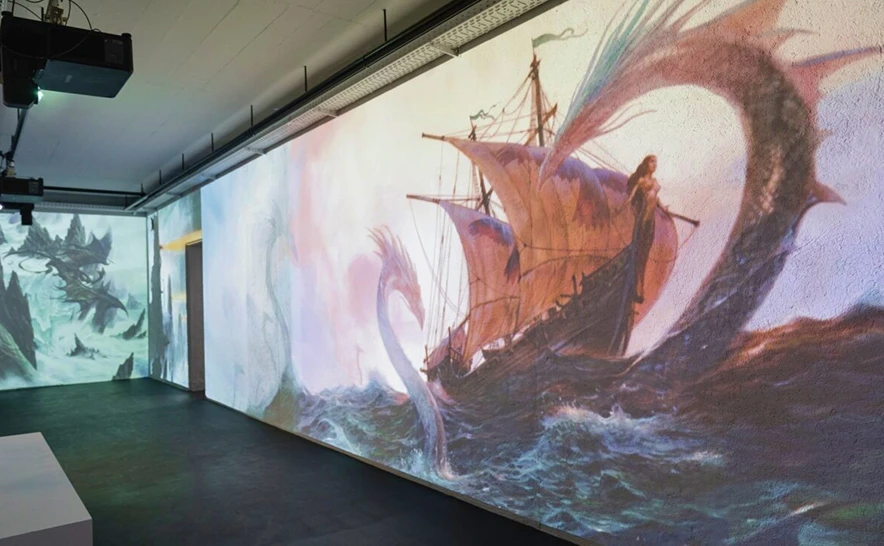
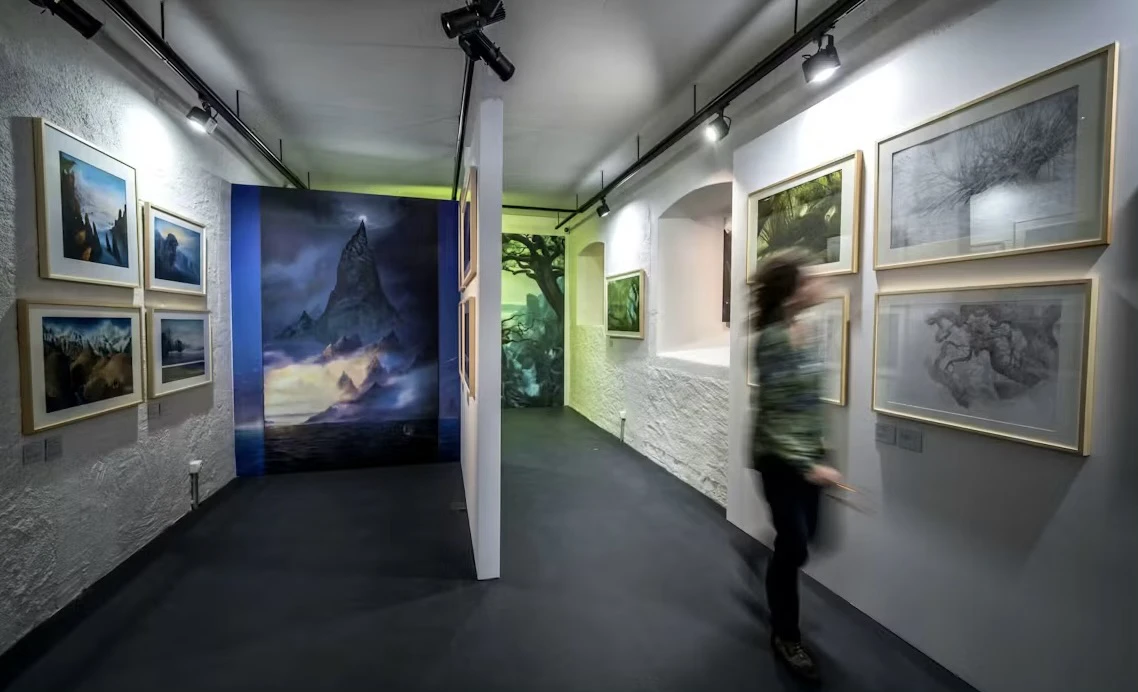
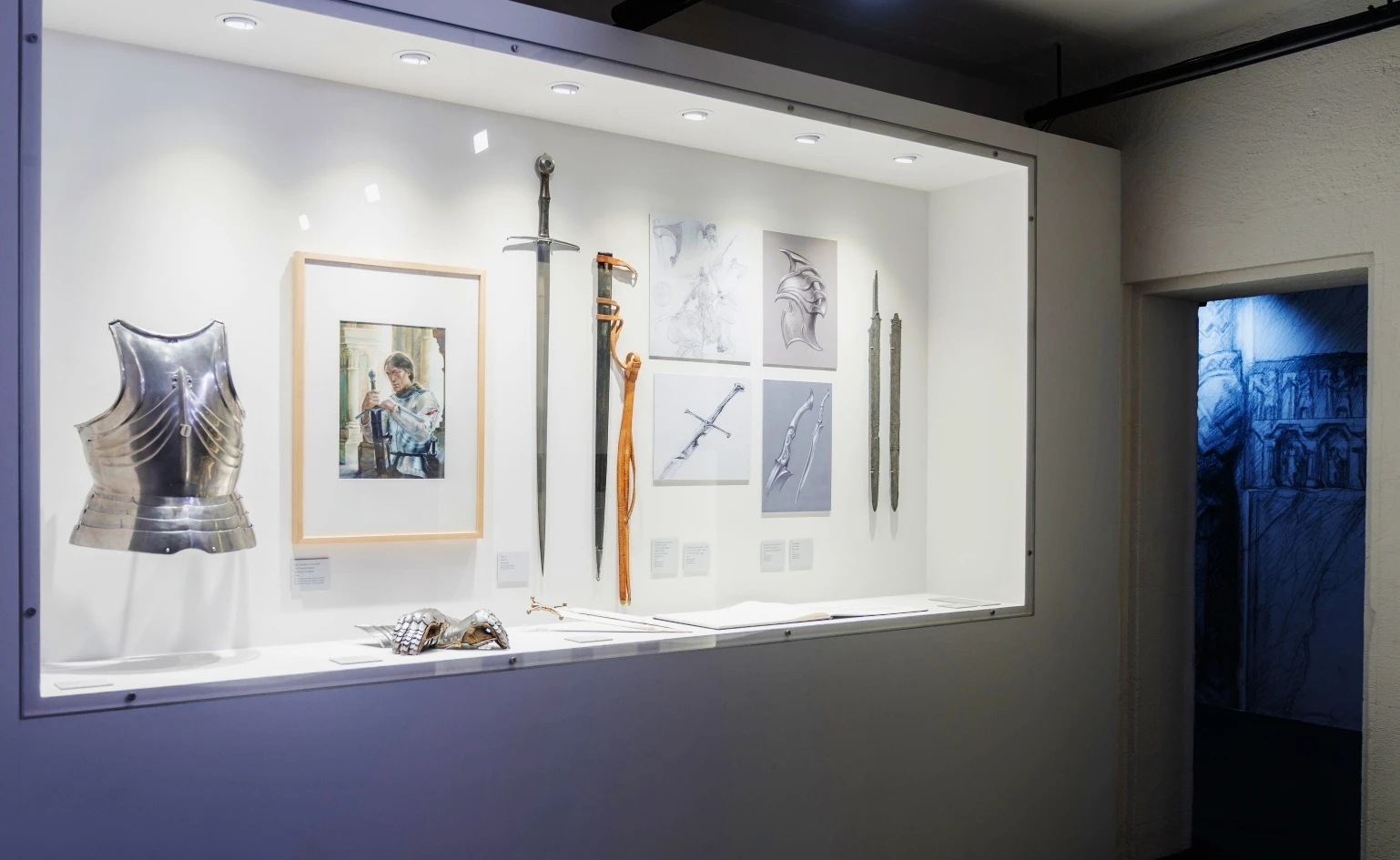
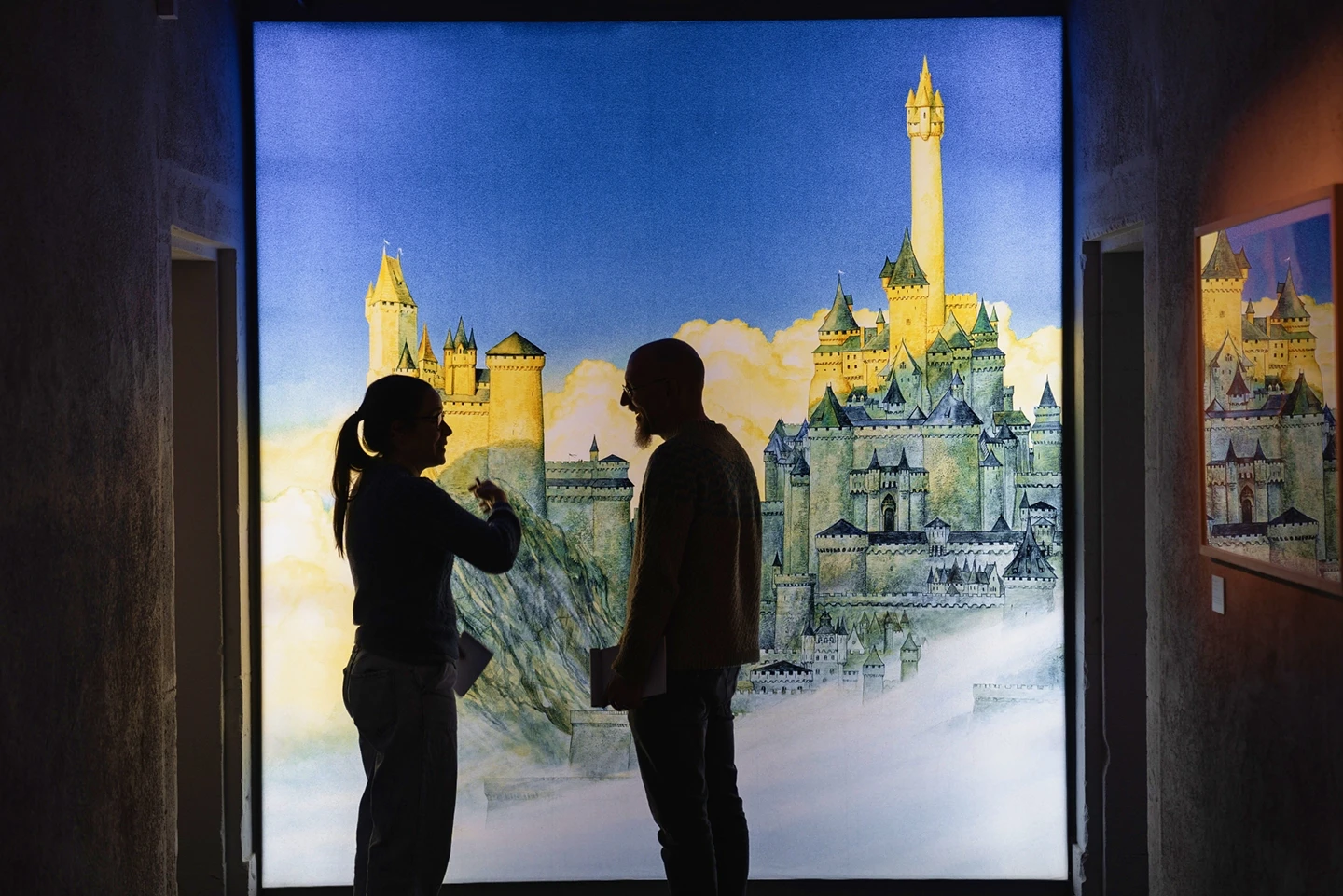
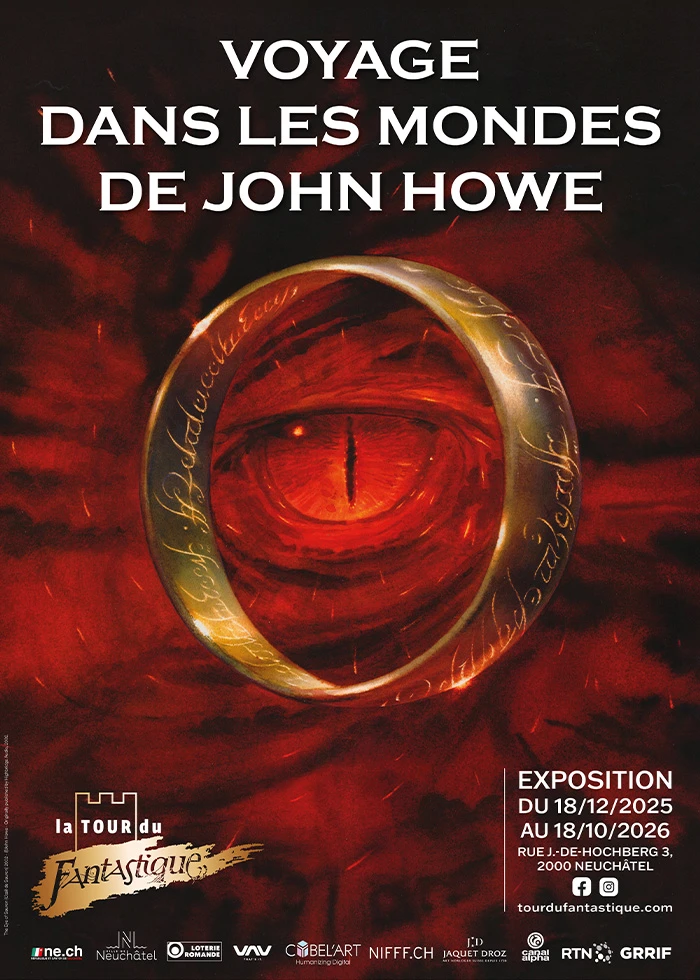
The inaugural exhibition at the Tour du Fantastique was dedicated to him and featured, across four floors, more than 250 drawings and paintings presented in a completely new layout and exhibition design.
Supplemented by historical works and artifacts from the city’s museums, this exhibition highlighted, among other things, the influence of J.R.R. Tolkien’s trip to Switzerland on the landscapes described in his novels, particularly La Tène, which takes its name from the archaeological site discovered on the shores of Lake Neuchâtel and likely served as inspiration for Tolkien’s lakeside city of Lake-town in *The Hobbit*.
“The concept of fantastical beings refers to creatures shaped by thousands of years of human fears and aspirations, which allegorically transcend our strengths and weaknesses. Fantastic beings are the generous hosts who allow the imagination to travel freely through these parallel worlds. It is surprising to realize just how much we may have in common with things that do not exist.”
John Howe